
- Operating hours: Tours run daily with morning (~7:30am) and afternoon (~1pm) departures, lasting 5–6 hours door-to-door.
- Last departure: Afternoon tours are the final option; missing hotel pick-up usually means missing the tour.
- Best time to go: Morning = cooler, softer light, easier walking. Afternoon = slower start but warmer at the site.
- Best season: February–August offers drier conditions; rainy months bring fewer crowds but occasional downpours.
How Headout makes choosing experiences effortless
We curate the best ways to experience
We research and organise all unique experiences - from tickets to tours to special combos - so you get all the choices without the clutter.
We partner with the best
Every supplier is vetted for quality, reliability, and value so you only get top rated experiences. No surprises, no disappointments.
All the best options, in one place
Each experience is thoughtfully organised to give you maximum availability, great value and an easy way to choose.
Book with complete peace of mind
Free cancellations, Flexible payments, and 24/7 support - thoughtfully designed for flexibility, assurance, and total peace of mind.
Slide 1 of 41/4
Slide 1 of 4

Quick overview
- Ways to experience: Choose a guided half-day tour from Da Nang or Hoi An. Morning or afternoon departures offer flexibility for exploring temple ruins.
- Additional access: Your ticket includes entry, an electric shuttle ride, and free Cham dance performances onsite.
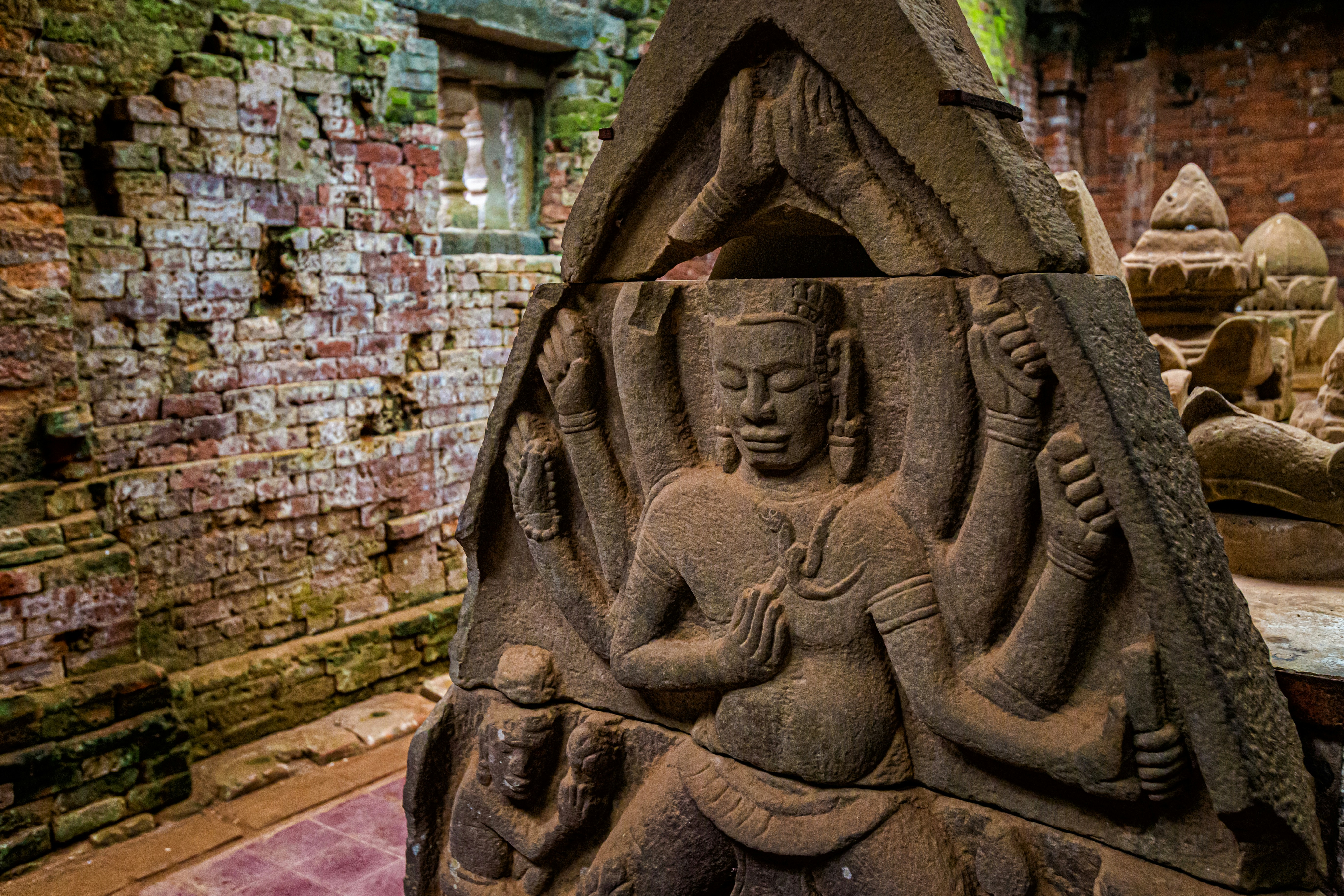
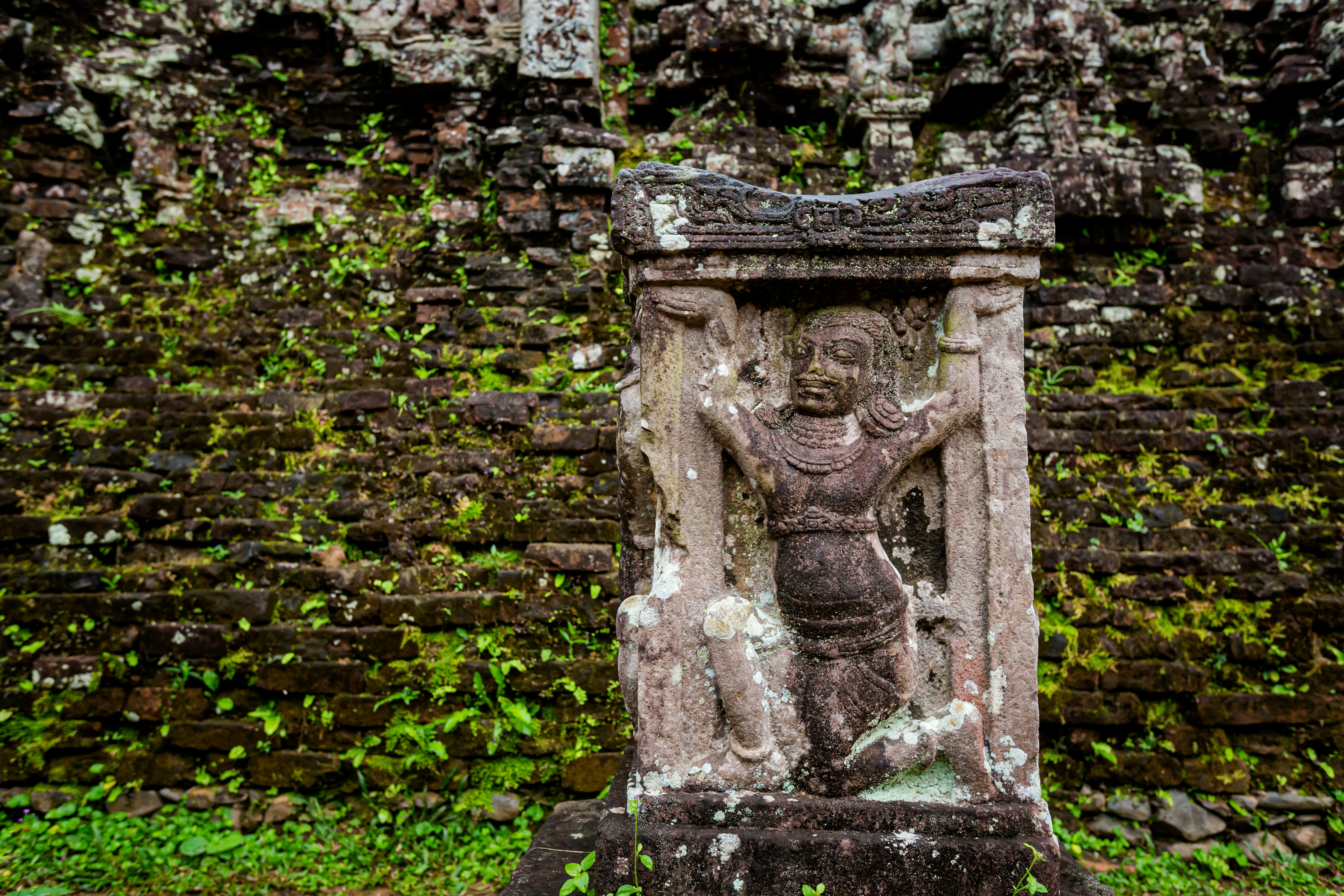
- Unique experiences: Explore ancient brick temples, detailed bas-reliefs, and restored structures with expert commentary.
- When to book: Tours depart early morning and early afternoon; popular slots book quickly during peak travel seasons.
- Good to know: The tour lasts about 3–4 hours. Cash payment is required and facilities are limited.
- Best upgrade: Opt for an audio-guide add-on to gain extra historical insights and enrich your cultural visit.
Which is best ticket for you?
| Ticket type | What’s included | Why choose this | Price from |
|---|---|---|---|
| From Da Nang: Morning tour | Hotel transfers, breakfast, rice paper making, guided visit | Cooler start + longer 6-hour itinerary with a cultural add-on before crowds peak | ₫803,125 |
| From Da Nang: Afternoon tour | Hotel transfers, dinner, rice paper making, guided visit | Relaxed post-lunch start with a cultural stop and dinner included | ₫803,125 |
| From Hoi An: Morning tour with lunch & boat | Hotel transfers, lunch, rice paper making, boat ride, guided visit | Most rounded day—heritage, local craft, meal, and scenic river return | ₫568,000 |
| From Hoi An: Afternoon tour with banh mi & boat | Hotel transfers, banh mi, boat ride, guided visit | Shorter afternoon plan with a scenic boat ride back into Hoi An | ₫568,000 |
Why go on a My Son Sanctuary tour?
1/6
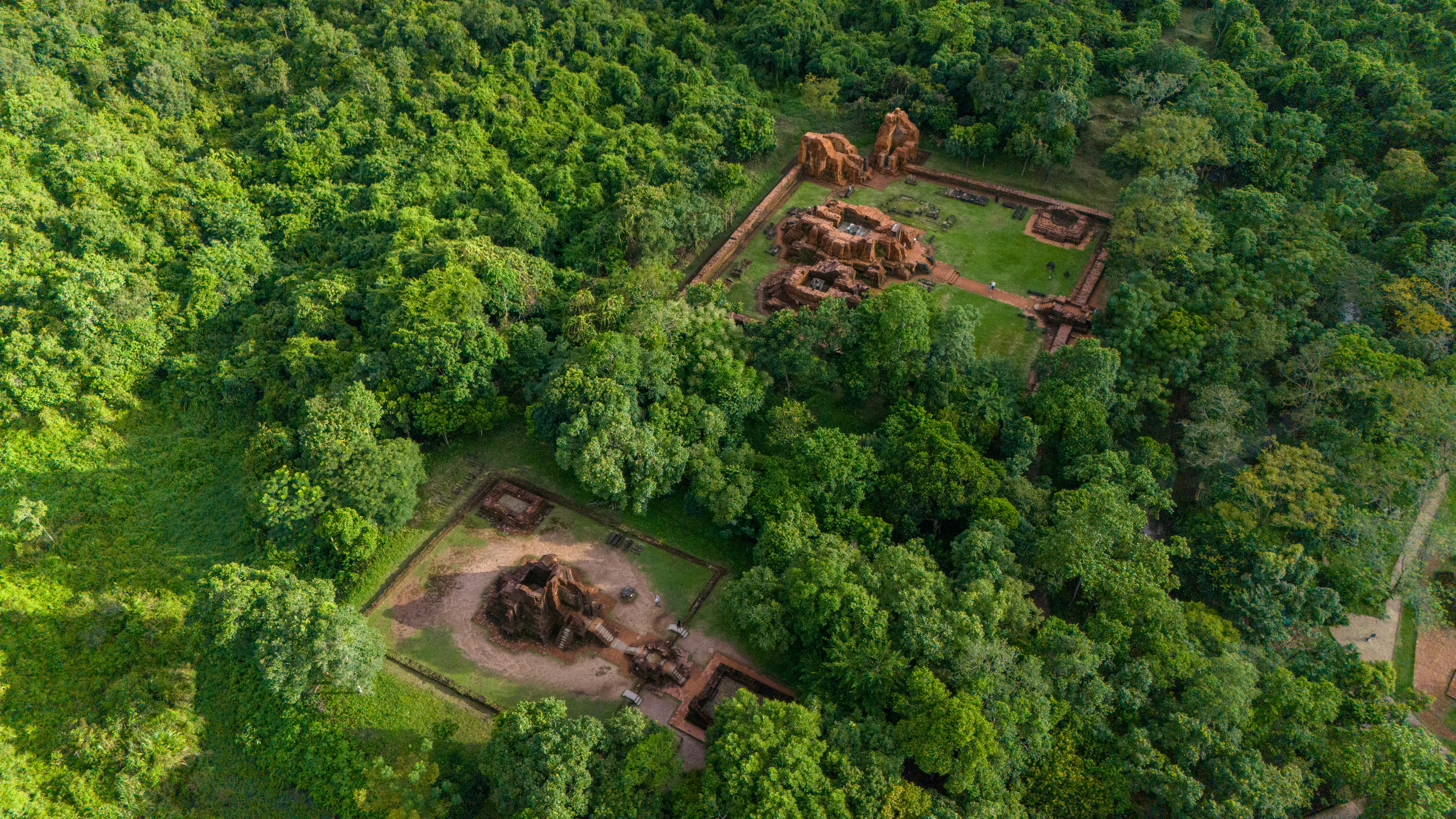
A lost kingdom in Vietnam’s jungle heart
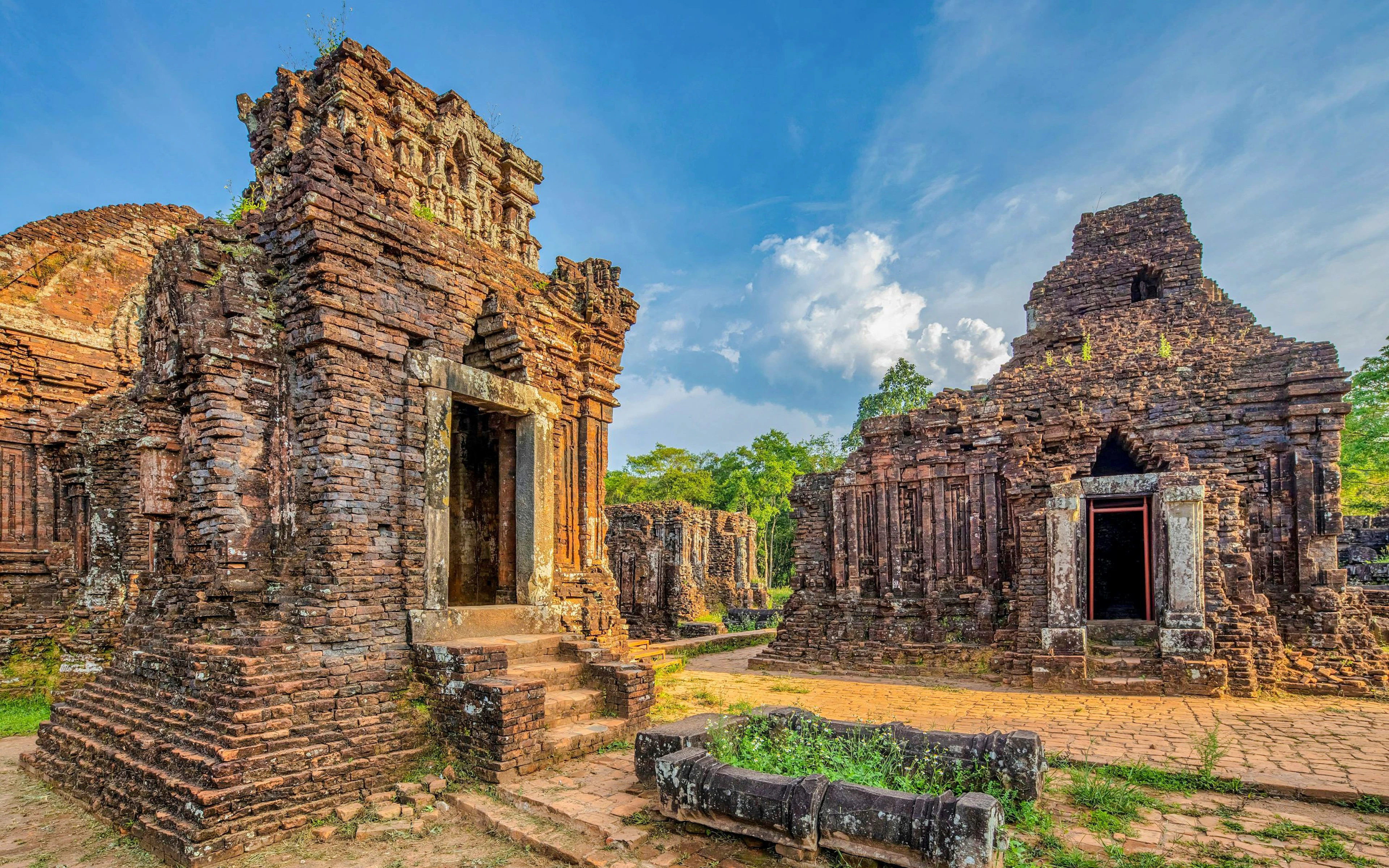
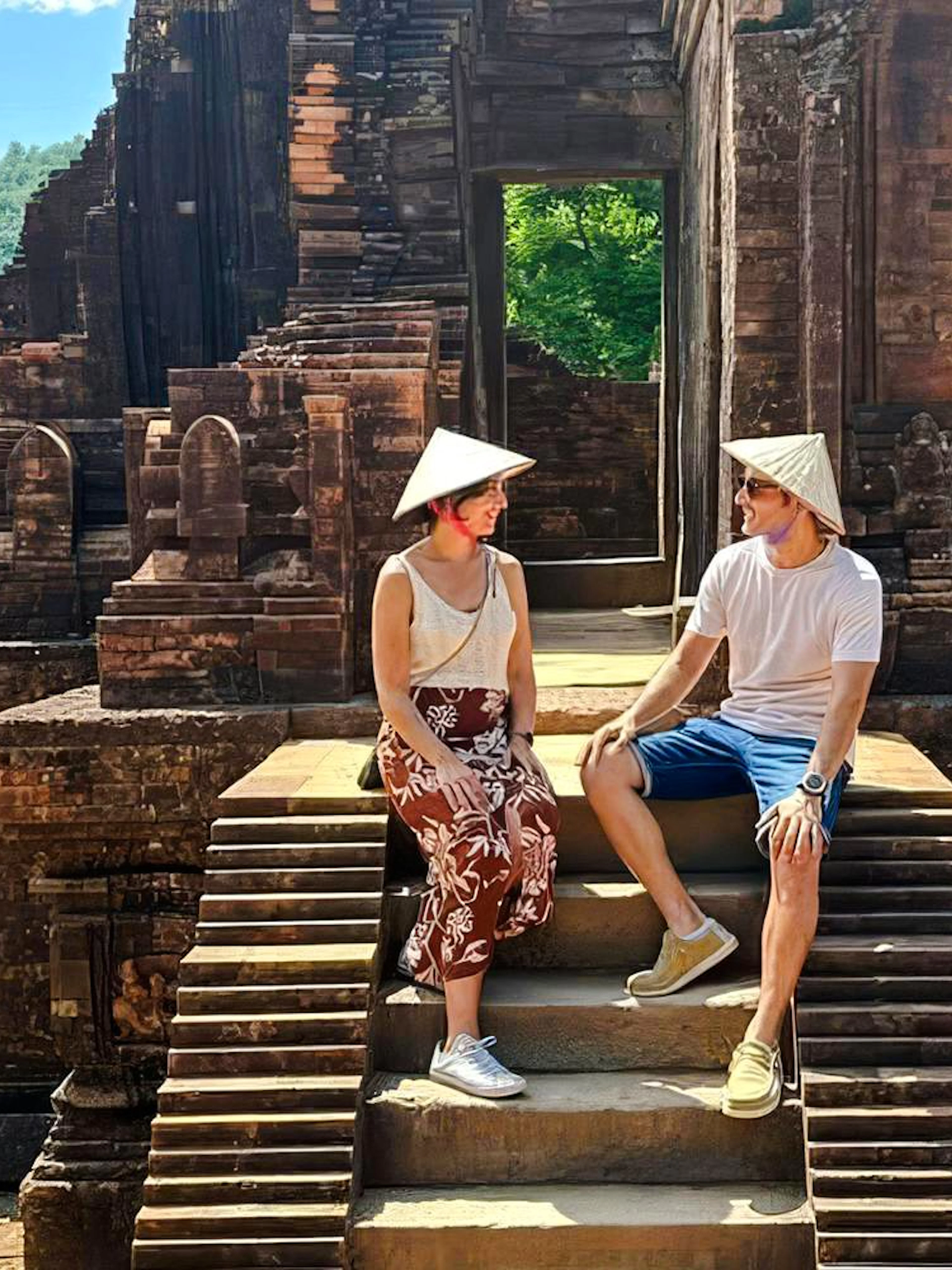
Set in a misty valley near Da Nang, My Son’s red-brick towers reveal the spiritual center of the ancient Champa Kingdom—a quieter, more atmospheric counterpart to Angkor Wat.
The journey is part of the story
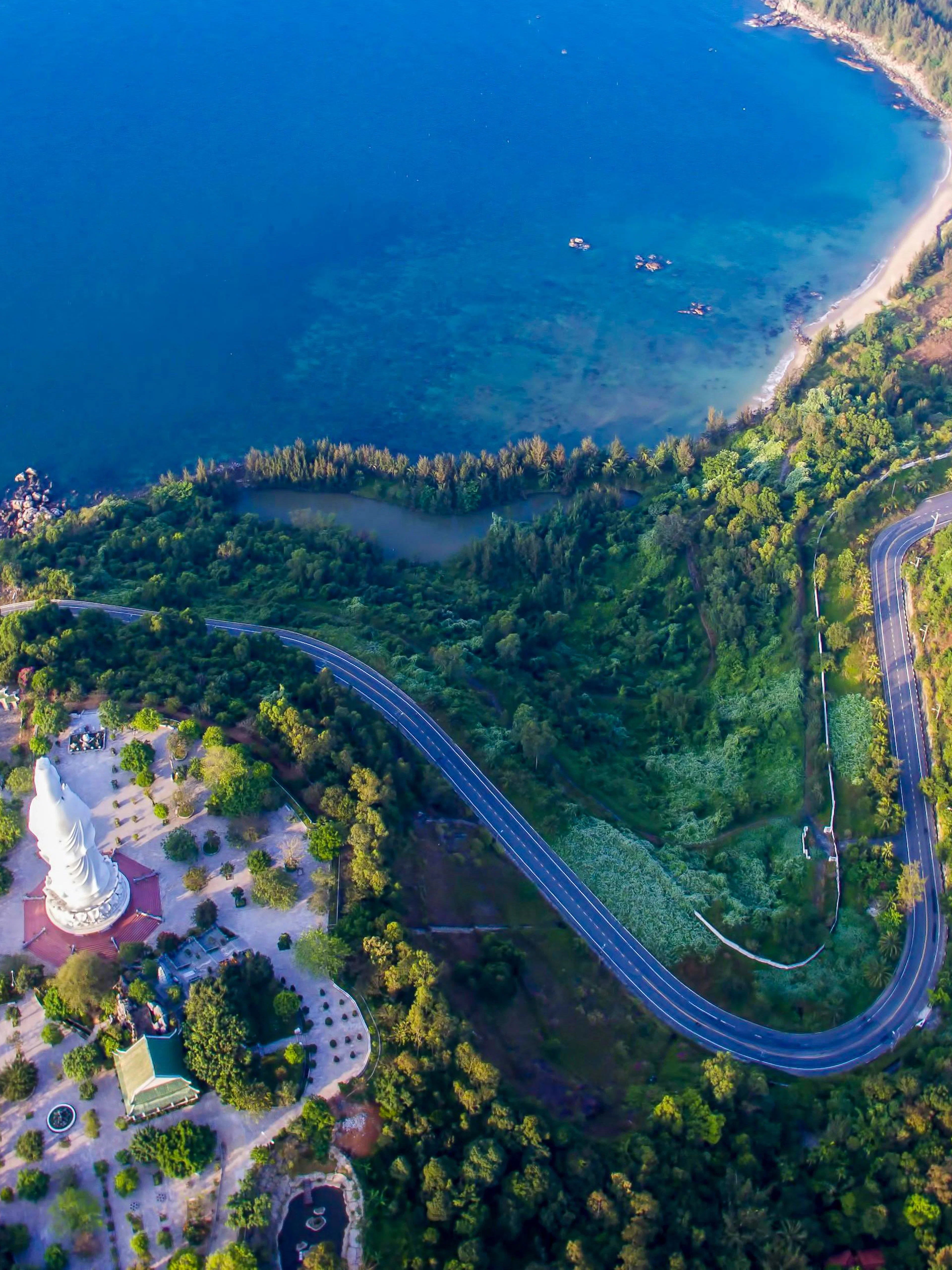
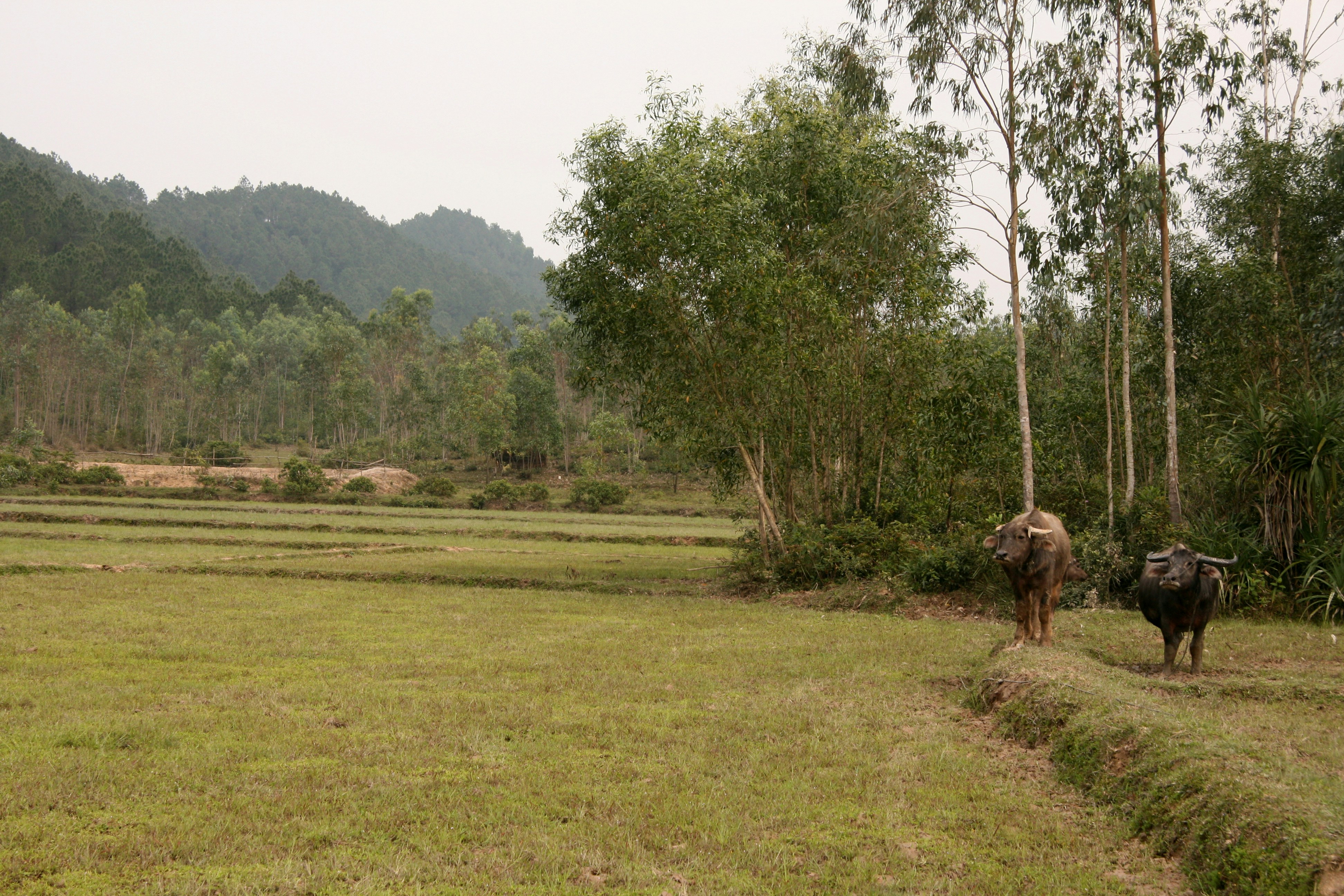
Leave Hoi An or Da Nang behind and pass rice paddies, village homes, and open countryside before arriving at a UNESCO-listed sanctuary tucked deep in the hills.
Ruins, rituals, and rediscovery
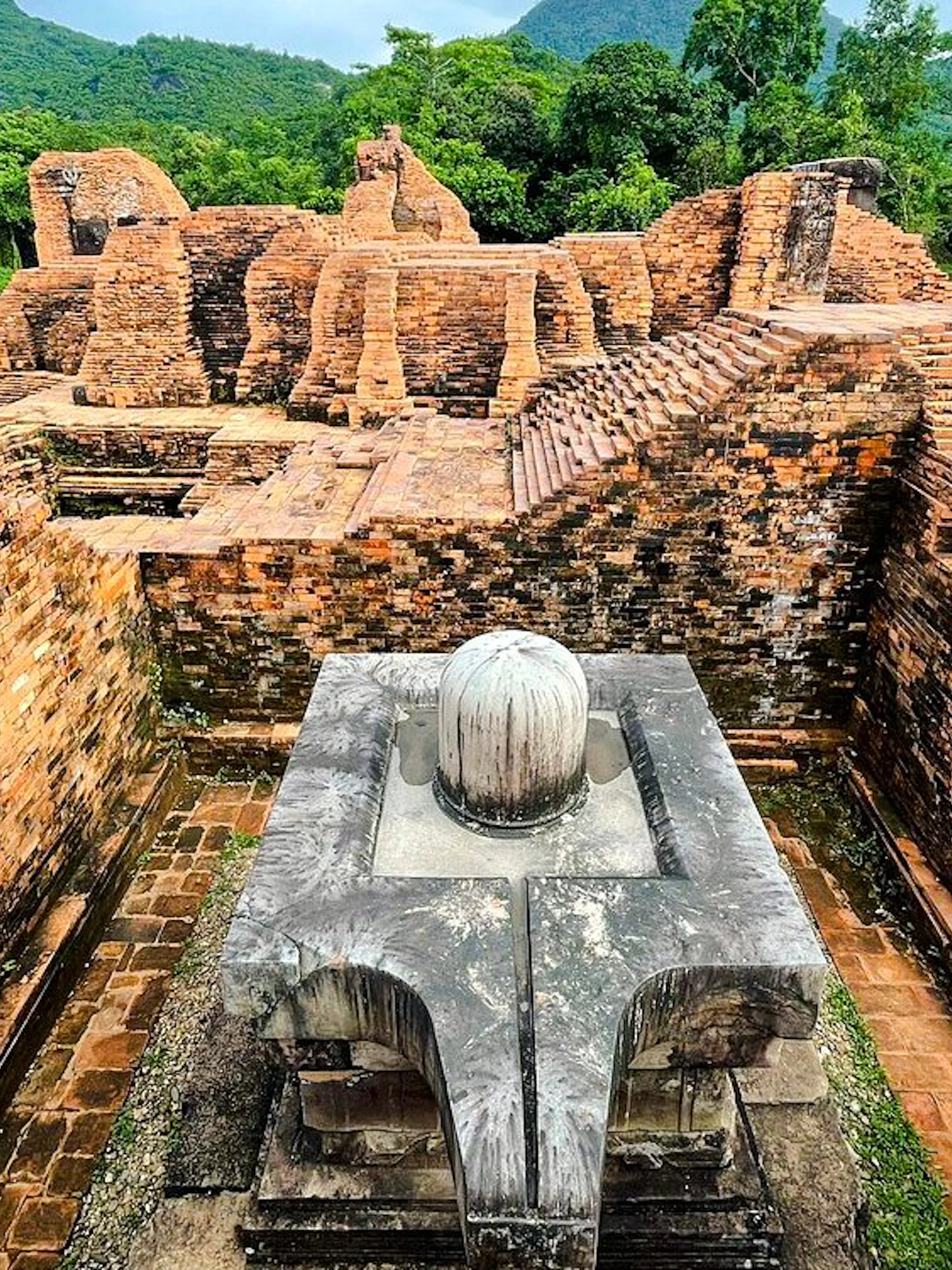
Walk between temple clusters with your guide, uncover stories of Hindu deities and wartime survival, then watch Apsara dance performances bring ancient Cham traditions back to life.
Moments that stay with you
Soft morning light over moss-covered ruins or golden-hour shadows across the valley, with jungle-covered hills framing every step through the sanctuary.
More than just ruins
You leave with cultural context, not just photos—local flavours (from banh mi to full meals), hands-on rice paper making, or a peaceful Thu Bon River boat ride depending on your route.
Shape the day your way
Start from Da Nang or Hoi An, go early for cooler exploration or later for a relaxed pace—each option blends heritage, scenery, and local experiences differently.
Things to know before booking your My Son Sanctuary tour
- Ticket availability & booking window: These half-day tours are among the most popular from Da Nang and Hoi An. Morning slots and boat-inclusive options fill fastest—book at least 2–4 days ahead in peak months.
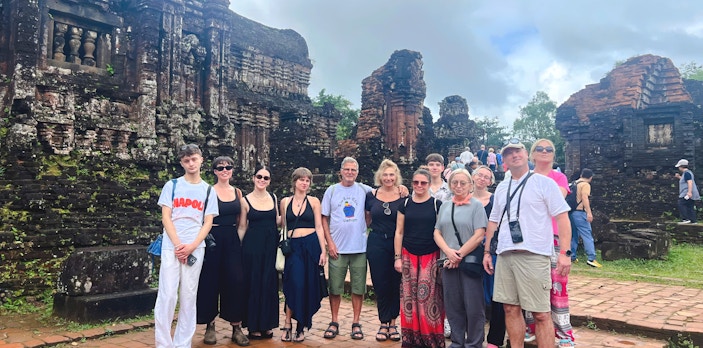
- What all tours include: Every option covers My Son entry, an English-speaking guide, shared bus transfers, and the Apsara dance. You’ll spend ~1–2 hours exploring temple clusters within a 5–6 hour itinerary.
- Key differences between options: Your maintime of day. Da Nang tours include rice paper making with breakfast (morning) or dinner (afternoon), while Hoi An tours focus on a Thu Bon River boat ride with a meal (banh mi or lunch).
- Morning vs afternoon trade-offs: Morning tours mean cooler weather and a longer, more comfortable walk through the ruins. Afternoon tours start later and feel more relaxed, often ending with a meal or scenic return.
- Transfers & pick-up zones: Hotel pick-up is included from central areas. If you’re staying outside city limits, you may need to meet at a fixed point—details are shared after booking.
- Walking conditions & comfort: Expect uneven paths, steps, and limited shade. Lightweight clothing, water, and sun protection are essential—especially for midday visits.
- Weather & schedule flexibility: Tours run year-round, but heavy rain or heat may slightly adjust timing. Boat rides or performances may be adjusted for safety without prior notice.
Highlights of your tour
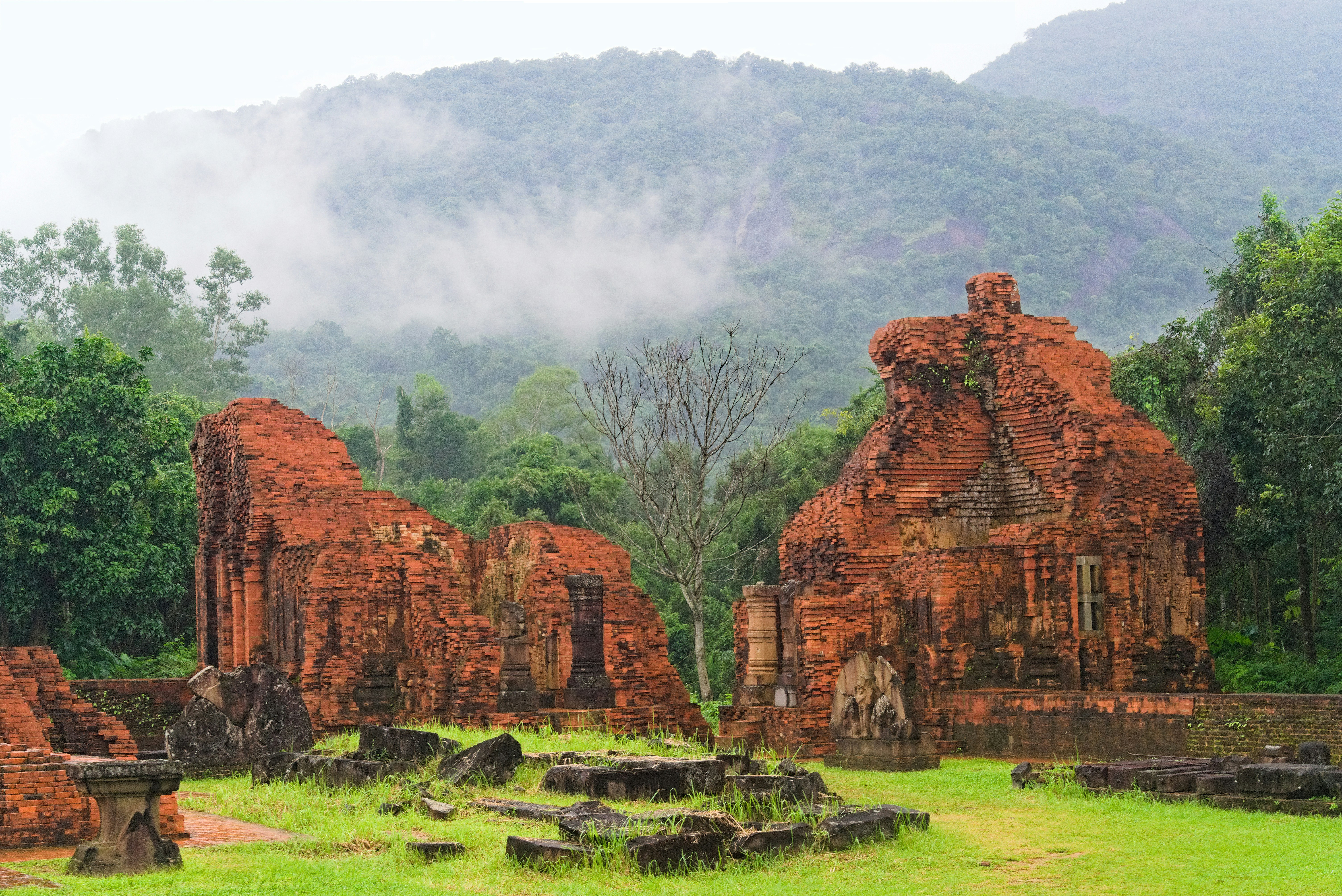
A hidden temple city in a jungle basin
Step into a quiet valley where red-brick towers rise from dense greenery, ringed by low hills—it feels like discovering a sacred city slowly reclaimed by nature.
Plan your tour


- Pick-up location: Tours begin from hotels in central Da Nang or Hoi An, with shared buses making multiple stops.
- Travel time: Expect ~1–1.5 hours each way to My Son Sanctuary in Duy Xuyen district.
- At the site: Your guide manages entry, then you walk or take a short internal shuttle into the temple clusters.
- Meeting details: Final pick-up time or central meeting points are confirmed after booking.
- Physical effort: Moderate walking on uneven paths, steps, and slopes in humid conditions—comfortable fitness helps.
- Weather dependency: Tours run year-round; heavy rain may shift timings or shorten certain segments.
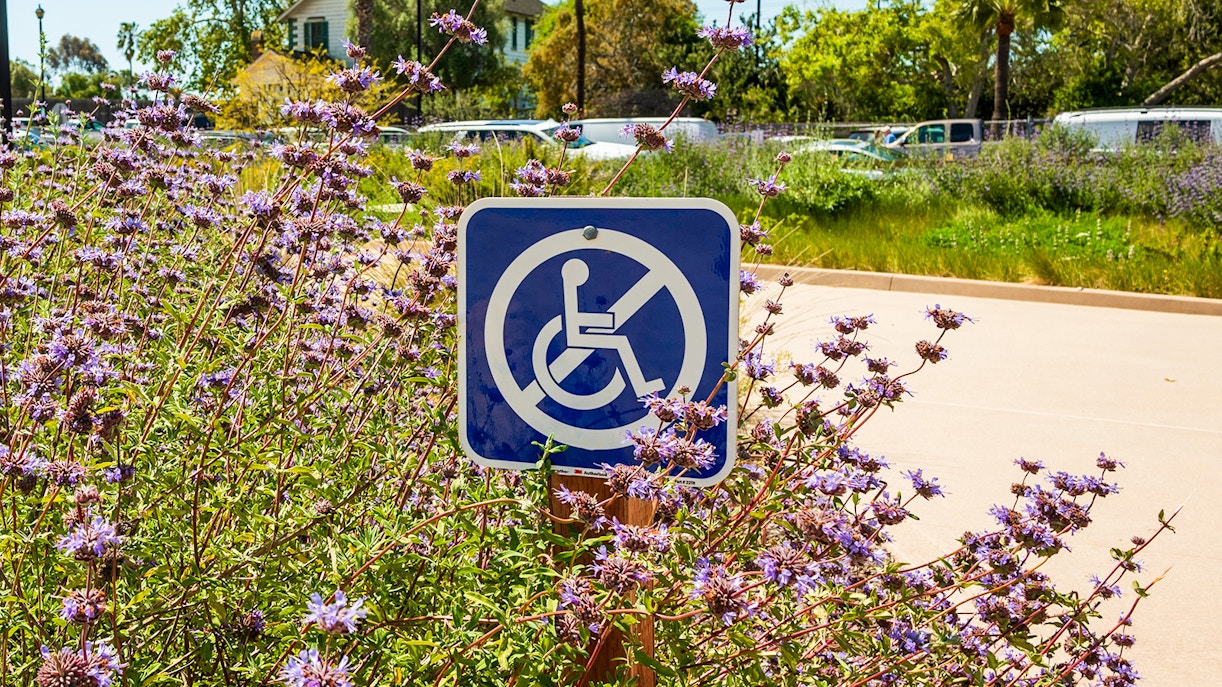
- Accessibility: Not ideal for wheelchairs or strollers due to terrain; older guests may prefer morning departures.
- Group & guide: Shared tours with an English-speaking guide; expect small-to-medium group sizes.
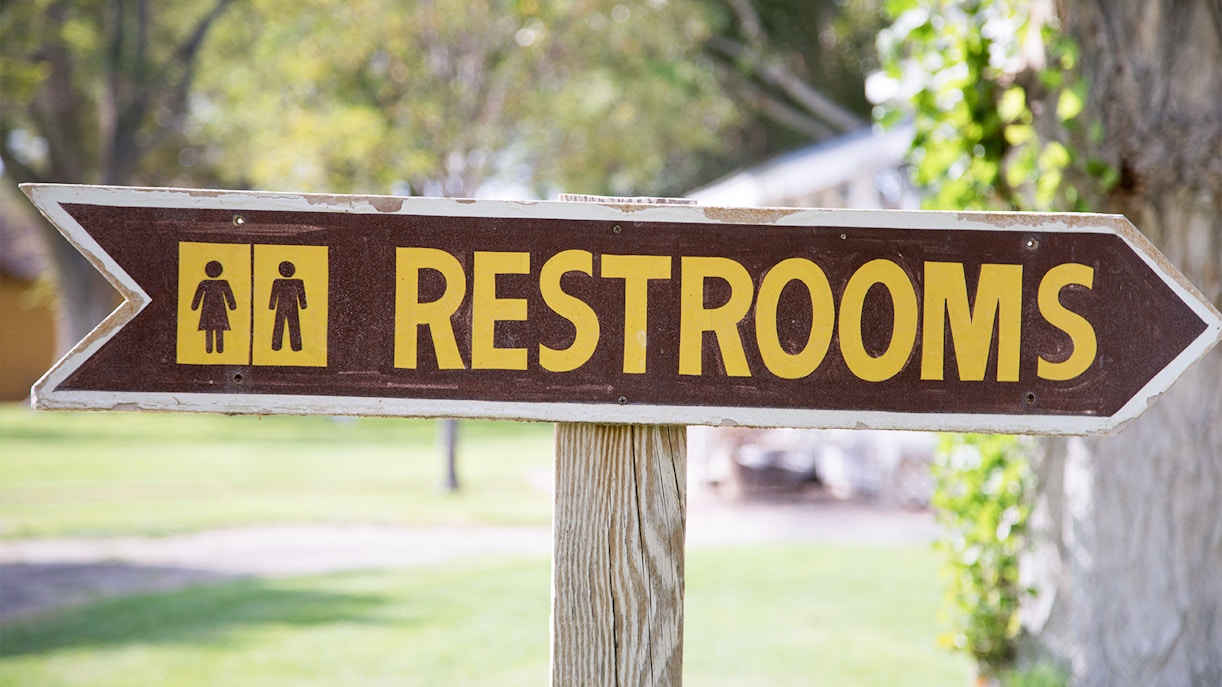
- Restrooms & facilities: Available near the entrance; limited inside the ruins.
- Meals & inclusions: Depending on your option—breakfast, lunch, dinner, or banh mi, plus bottled water.
- Cultural add-ons: Rice paper making (Da Nang/morning Hoi An) or a Thu Bon River boat ride (Hoi An variants).
- Stops en route: Short breaks for refreshments or local experiences may be included.

- What to wear: Light, breathable clothing that covers shoulders and knees; sun protection is essential.
- Footwear: Closed shoes or sturdy sandals with grip—paths can be uneven or slippery after rain.
- What to bring: Small backpack with water, sunscreen, hat, and a light rain layer.
- What to skip: Large bags or valuables—storage is limited during transfers and site walks.

- Conditions: Expect heat and humidity, especially midday; brief tropical showers are common.
- Preparation: Sunscreen, hydration, and a hat are key; carry a poncho in rainy months.
- Safety: Follow your guide, stick to marked paths, and avoid climbing fragile ruins.
- Support: Guides are trained in basic first aid; assistance can be coordinated if needed.
Tips & guidelines
- Pick your base for a smoother day: Staying in Da Nang? Depart from there to cut travel time. Based in Hoi An? Choose a Hoi An start for a more seamless return—especially with the boat ride option.
- Follow your guide for crowd-free moments: Guides know how groups move through the site—sticking with them often gets you quieter temple clusters and better photo angles without waiting.
- Time your photos, not just your visit: Early morning gives softer light and fewer people; late afternoon adds warmer tones and longer shadows across the ruins—both dramatically change how the site looks.
- Respect the fragility of the ruins: Avoid touching carvings or stepping onto restricted platforms. The brickwork is delicate, and preservation efforts are ongoing.
- Be mindful during the Apsara dance: Stay seated, avoid blocking views, and skip flash photography if requested—it helps maintain the atmosphere and respects performers.
- Download essentials in advance: Mobile signal can be weak inside the sanctuary. Save your booking, maps, and pick-up details offline to avoid last-minute confusion.
- Carry small cash for extras: While core inclusions are covered, small purchases (drinks, snacks, souvenirs) at stops are easier with cash than cards.
Frequently asked questions
All tours include hotel transfers from Da Nang or Hoi An, entry fees, an English-speaking guide, Apsara dance (when scheduled), and bottled water.
Da Nang options focus on cultural add-ons like rice paper making and meals, while Hoi An tours often include a Thu Bon River boat ride with lunch or banh mi.
Morning tours offer cooler weather and softer light; afternoon tours start later and feel more relaxed, often ending with dinner or a scenic boat ride.
Yes, but the type varies—breakfast, lunch, dinner, or banh mi depending on the variant. Always check inclusions before booking.
No. Entry to My Son Sanctuary is included and handled by your tour operator, so you skip ticket queues at the entrance.
Most tours are fixed-date with limited flexibility. Some allow changes or free cancellation within a specific window—check the policy before confirming.
Tours usually run in light rain. In severe weather, operators may reschedule or offer a refund based on their policy.
Yes, if they can handle uneven paths and heat. Strollers and wheelchairs aren’t ideal due to terrain, so plan accordingly.
Sometimes, but popular slots—especially morning and boat-inclusive tours—sell out quickly. Booking a few days in advance is recommended.